
Collector note: AntiqueBottles.co provides educational research guidance, not guaranteed authentication or appraisal. Never excavate without permission, and follow cultural-resource and property laws.
A collector-friendly guide to one of the most recognizable cobalt medicine bottles. This guide is designed to help you inspect the object methodically, document what you see, and know what to research next.
Why collectors recognize them
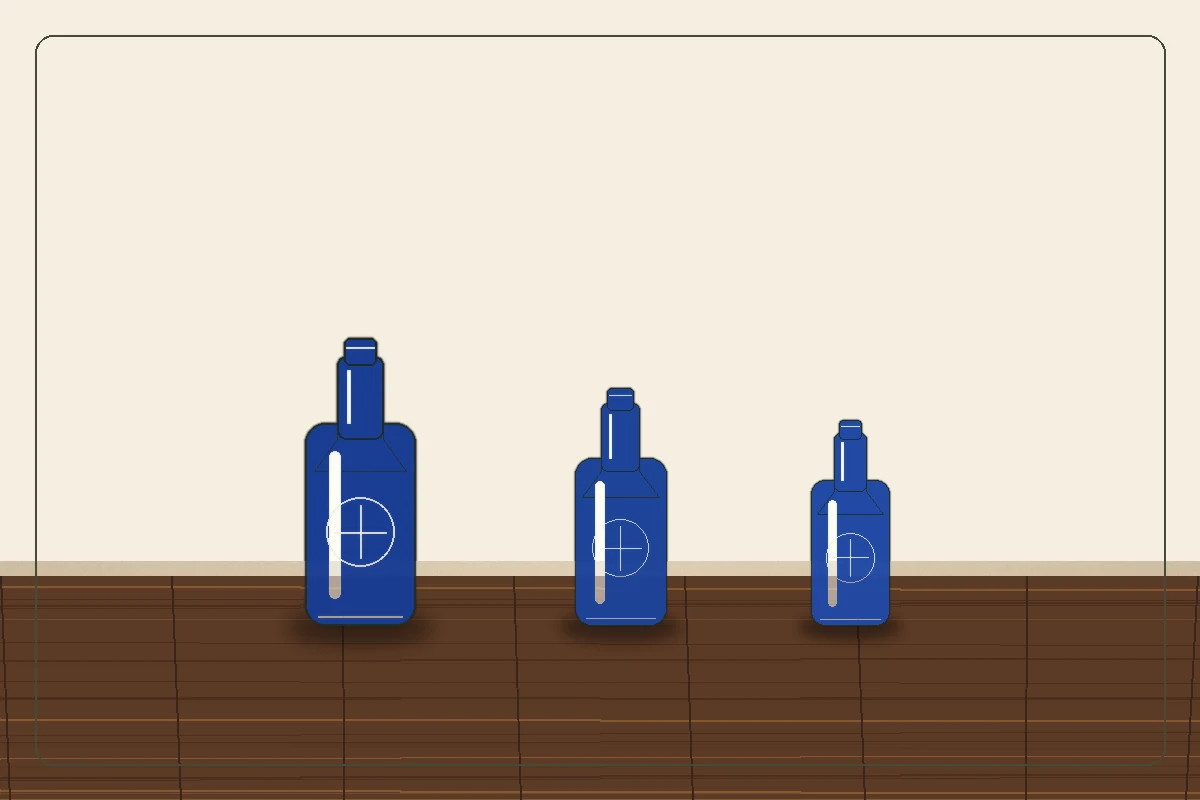
Bromo-Seltzer bottles are strongly associated with cobalt blue glass and bold vertical embossing. They are accessible entry-level collectibles, but molds, sizes, shades, and manufacturing periods vary.
Dating the bottle
Inspect whether seams continue through the finish, study the base for machine evidence, and compare embossing style and size. The Society for Historical Archaeology notes that cobalt Bromo-Seltzer production appears in Owens-machine records in the early twentieth century.
Color and size
Deep cobalt is visually appealing, but color alone does not establish rarity. Size, shade, mold, embossing, condition, and documented variant matter.
Condition issues
Common problems include lip flakes, base bruises, internal haze, scratches, and dullness. Photograph cobalt glass in transmitted and reflected light.
- Photograph the lip, heel, base, and every side.
- Use angled light to reveal cracks and bruises.
- Do not conceal repairs, polishing, staining, or replacement closures.
Researching prices
Because many Bromo-Seltzer bottles survive, compare exact sizes and variants. Do not treat a rare large display bottle as a comparison for a common small example.
Recommended next steps
- Record dimensions, color, closure, embossing, seam behavior, and base marks.
- Compare the bottle with references from the Society for Historical Archaeology’s Historic Bottle Identification resource.
- Search sold examples using exact embossed wording.
- Ask a category specialist when a rare color, variant, or high value is plausible.